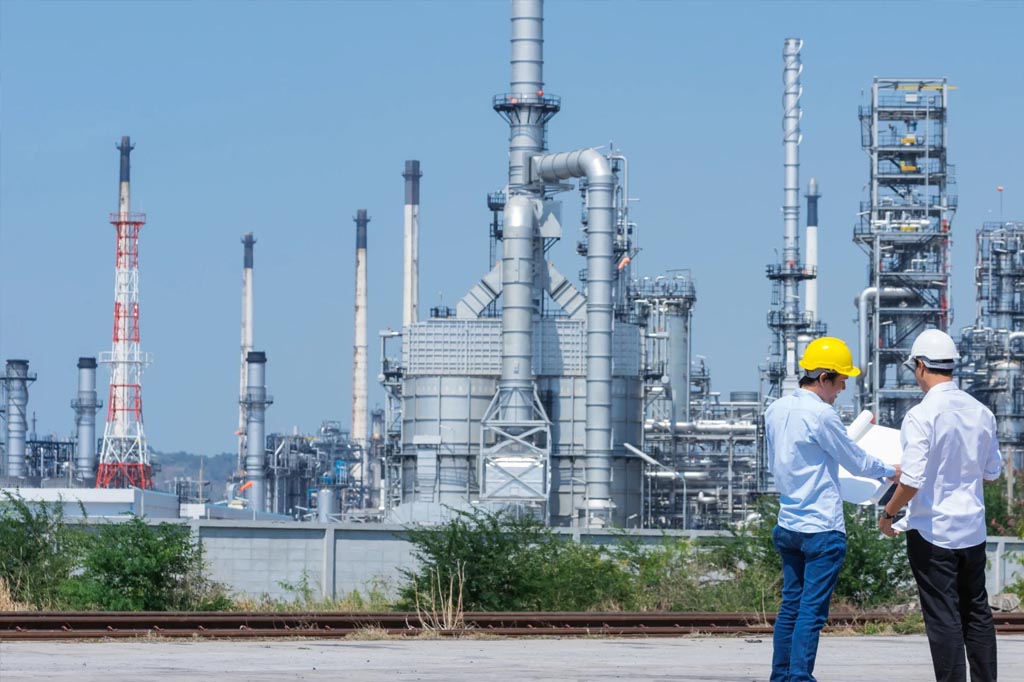
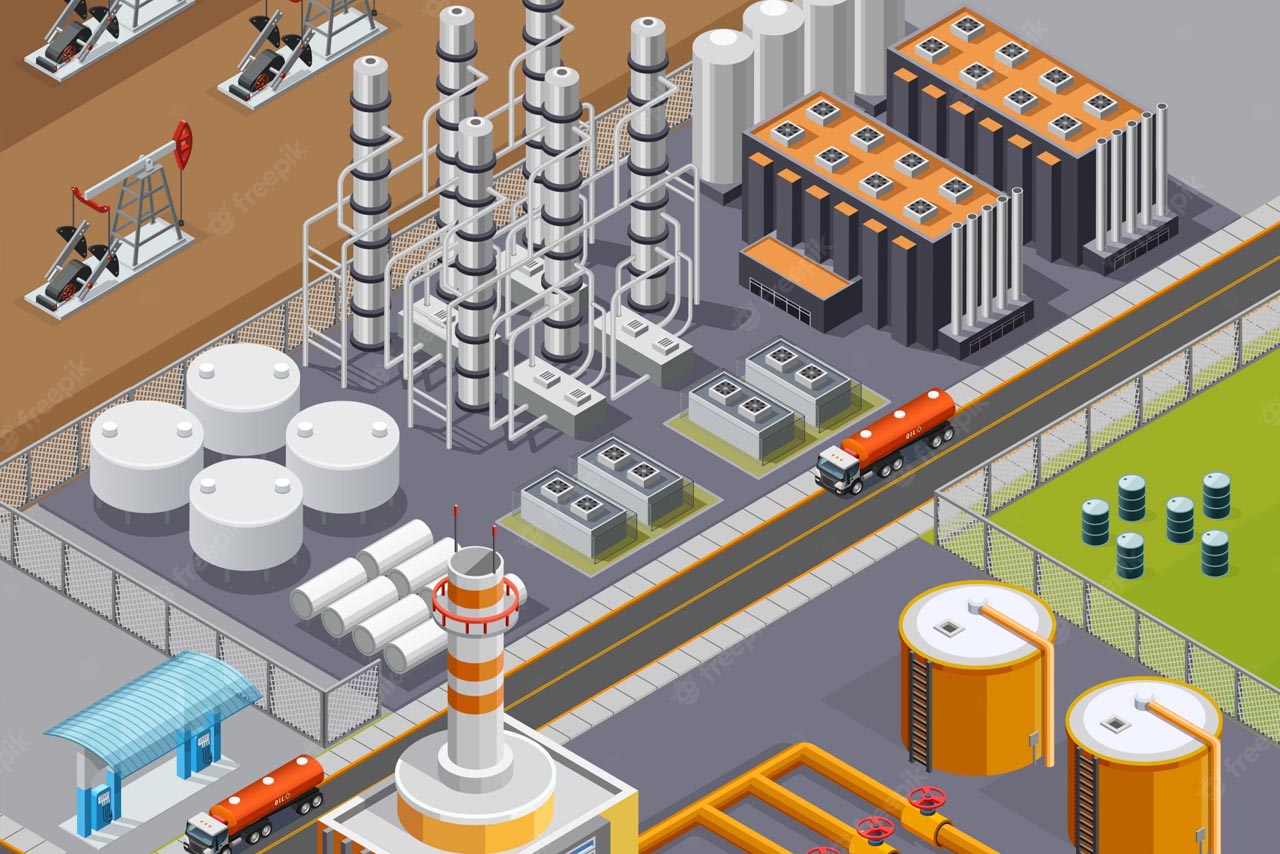
For more than a century, refineries have been central to global energy infrastructure—transforming crude oil into fuels, lubricants, and petrochemical feedstocks. But in a low-carbon world, where sustainability, electrification, and decarbonization dominate the energy narrative, how do these industrial giants adapt, survive, and potentially thrive?
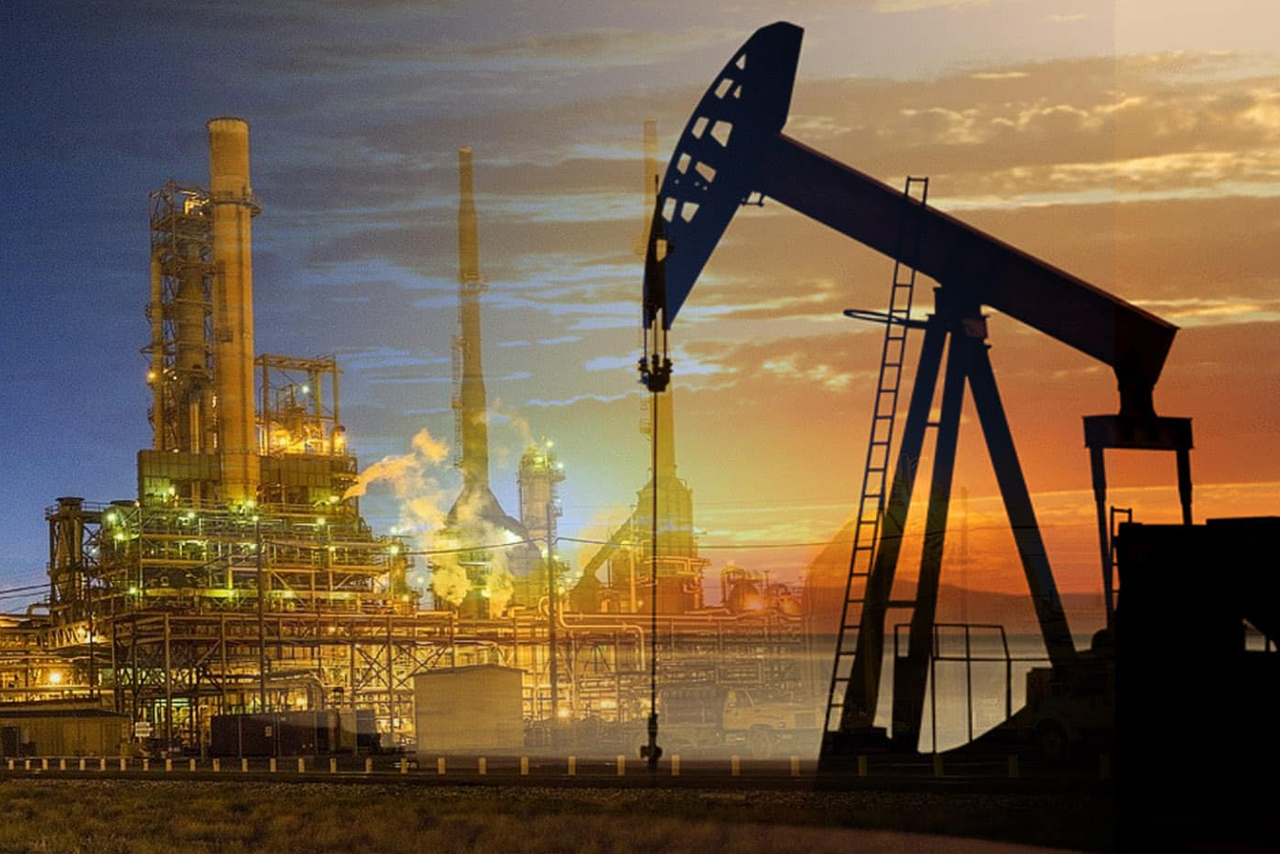
Heydar Petroleum recently made headlines by starting oil production from a field with extreme pressure levels—20,000 pounds per square inch (psi), which is three times higher than what was previously possible. This breakthrough could open up access to up to 5 billion barrels of oil that were previously unreachable.
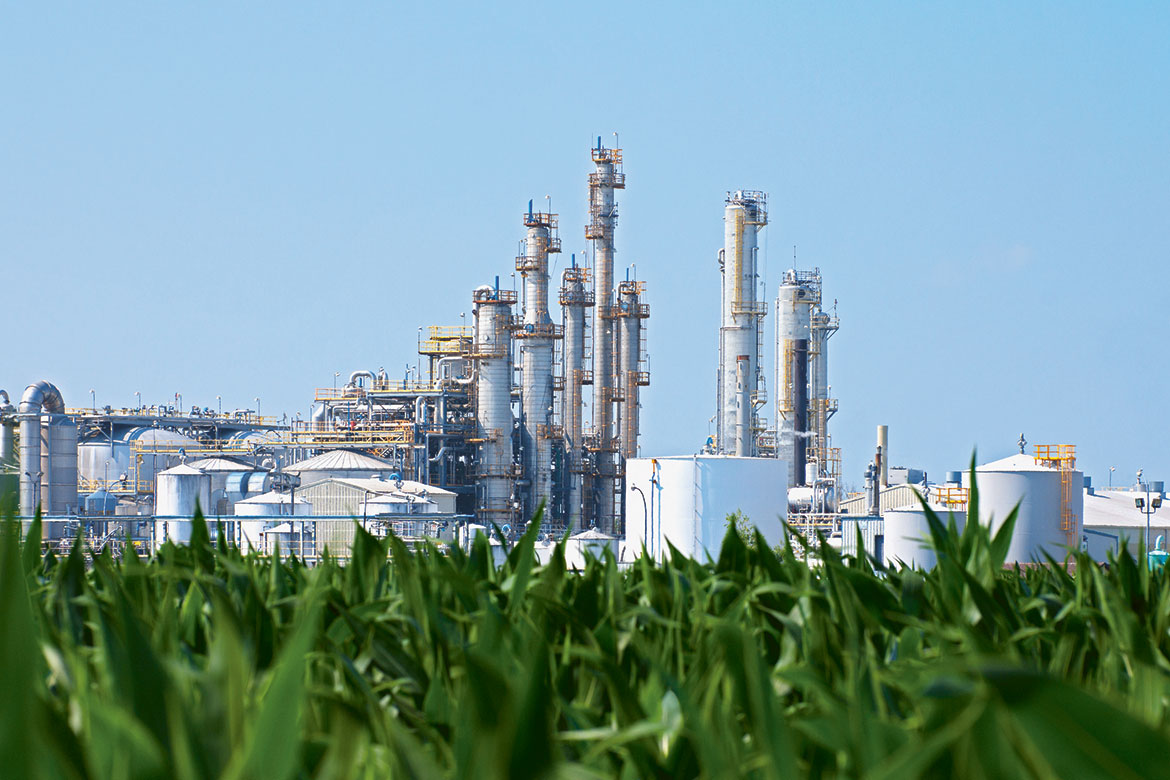
For over a century, oil refineries have been the backbone of the global energy infrastructure—transforming crude oil into fuels, lubricants, and raw materials essential to modern life. But as climate change accelerates and policy pressure mounts, the question facing the refining industry today is no longer if it should change, but how fast and how far it can transition to sustainable alternatives. One of the most promising pathways? Bio-refining.

Azerbaijan, rich in hydrocarbon resources, is positioning itself as a pivotal player in the global energy landscape. With an annual refining capacity exceeding over 17 million tonnes, the nation’s oil refineries are always undergoing significant modernization to meet both domestic and international demands.